Journal of Material Sciences & Applied Engineering
About Journal
The Journal of Material Sciences & Applied Engineering (ISSN: 3065-4823) is an esteemed peer-reviewed platform for publishing groundbreaking research and innovative advancements in material sciences and applied engineering. With a global readership and contributions from leading experts, the journal fosters collaboration among scientists, engineers, and technologists, promoting the development of new materials and engineering solutions that address the challenges faced by various industries today.
Aims and Objectives
The core aim of this journal is to highlight high-quality research in the broad and dynamic field of material sciences and applied engineering. It serves as a conduit for the latest findings, emerging technologies, and novel applications in materials and their integration into engineering disciplines. The journal aims to encourage interdisciplinary approaches, offering a robust platform for the dissemination of studies that have direct applications in industry, technology, and everyday life.
Research published in the journal often reflects the ongoing innovations that aim to advance material design, fabrication, characterization, and application in a variety of fields. By fostering advancements in these areas, the journal seeks to push the boundaries of engineering, technology, and material science to contribute to a sustainable future.
Scope of the Journal
The Journal of Material Sciences & Applied Engineering covers a wide range of research topics in material sciences, applied engineering, and related interdisciplinary areas. These topics not only advance the theoretical understanding of materials but also promote practical engineering applications that solve real-world problems. Below are the key areas of research that fall within the scope of the journal:
- Materials Design and Characterization
Research exploring new material designs and the characterization of properties at various scales. This includes the study of novel materials, advanced composites, and smart materials used in emerging technologies. - Nanotechnology and Nanomaterials
The development and application of nanotechnology, including the synthesis, characterization, and use of nanomaterials. Studies that focus on nanoscale interactions, nanofabrication techniques, and the integration of nanomaterials into devices and systems are highly encouraged. - Polymers and Polymer Engineering
Research related to the synthesis, properties, and applications of polymers, including biodegradable polymers, smart polymers, and their role in advanced manufacturing and engineering. - Metals and Alloys
Research on the development and characterization of new alloys, advanced metallurgy techniques, and applications of metal-based materials in various industries such as automotive, aerospace, and manufacturing. - Ceramics and Composites
Studies on ceramic materials, their processing techniques, and the development of composite materials that combine ceramics with other substances to enhance performance characteristics. - Environmental and Sustainable Materials
Research focused on sustainable materials, including bio-based, recyclable, and energy-efficient materials, and their use in reducing the environmental impact of industrial processes and consumer products. - Additive Manufacturing and 3D Printing
Innovative research on 3D printing and additive manufacturing technologies, including the development of new materials, novel applications, and the integration of these technologies into industrial production. - Materials for Energy Applications
The study and development of materials for energy applications, including energy storage devices like batteries and capacitors, materials for solar energy, and fuel cells. - Mechanical Properties and Failure Analysis
Research focused on the mechanical properties of materials, including strength, elasticity, and toughness. The journal also welcomes studies on failure analysis, fatigue behavior, and the development of materials capable of withstanding extreme conditions. - Biomedical Materials
Studies on the development of biomaterials for medical applications, including implants, prosthetics, and biocompatible materials used in medical devices and tissue engineering. - Materials for Electronics and Photonics
Exploration of materials used in electronics, photonics, and optoelectronics, including semiconductors, conductors, and materials used in advanced display technologies and sensors.
Types of Articles
The Journal of Material Sciences & Applied Engineering publishes various types of articles aimed at presenting innovative and high-quality research:
- Original Research Articles
Detailed studies presenting novel research findings, new material formulations, fabrication techniques, or applications in engineering. - Review Articles
Comprehensive reviews summarizing the current state of knowledge in specific areas of material science and engineering, with a focus on identifying gaps and suggesting future research directions. - Short Communications
Brief reports on emerging research that provides new insights or early findings in material sciences and engineering. - Technical Notes
Articles that present new experimental techniques, methodologies, or improvements in engineering practices and material characterization methods. - Case Studies and Applied Research
Studies that present real-world applications of materials and engineering solutions in various industries, including manufacturing, construction, aerospace, automotive, and energy. - Editorials and Opinions
Articles from thought leaders that address important issues, emerging trends, and challenges in the field of material science and engineering.
Why Publish with Us?
The Journal of Material Sciences & Applied Engineering is committed to providing an outstanding platform for researchers to share their work with a global audience. By publishing with us, authors gain access to a well-established network of academic professionals, industry experts, and policymakers. Our rigorous peer-review process ensures that only high-quality, impactful research is featured, while our emphasis on practical applications guarantees that our published articles will reach and benefit a wide range of professionals in the field of engineering and material science.
We are committed to the timely and efficient publication of accepted articles, ensuring that your research reaches its intended audience quickly. Additionally, our open-access model makes it easy for readers worldwide to access the content, contributing to the global exchange of knowledge and accelerating the pace of innovation in material sciences and engineering.
The Journal of Material Sciences & Applied Engineering is dedicated to publishing high-quality research that not only advances the understanding of materials but also has practical applications in a range of industries. Whether you are working on developing sustainable materials, advancing nanotechnology, or improving manufacturing processes, this journal provides a forum for disseminating your work to a global audience of scientists, engineers, and innovators.
Aim & Scope
The Journal of Material Sciences & Applied Engineering (ISSN: 3065-4823) is a leading peer-reviewed platform dedicated to publishing high-impact research and advancements in the fields of material sciences and applied engineering. The journal aims to serve as a comprehensive repository of cutting-edge knowledge on the synthesis, characterization, and application of materials, addressing both fundamental and practical challenges in engineering.
Material science is inherently interdisciplinary, spanning multiple fields including chemistry, physics, biology, and engineering. Therefore, the scope of the journal extends to diverse topics that involve the understanding of materials at different scales and their performance in various industrial applications. By fostering the exchange of ideas, discoveries, and technologies, the journal contributes to the advancement of innovative materials for a wide range of applications, including electronics, energy storage, construction, manufacturing, healthcare, and the environment.
The Journal of Material Sciences & Applied Engineering invites original, unpublished research across all areas of material science and applied engineering. The journal encourages the submission of interdisciplinary studies that integrate material design, processing, and engineering applications. We focus on research that enhances the performance, sustainability, and functionality of materials and systems. The journal promotes the development of new materials, improvement of existing ones, and exploration of novel engineering solutions that address the evolving needs of industries.
Research Topics of Interest:
- Materials Design and Characterization
Research that focuses on the creation of new materials or the enhancement of existing materials. This includes the exploration of novel compounds, alloys, composites, and nanomaterials, as well as advanced techniques used to characterize material properties at different scales. - Nanotechnology and Nanomaterials
Studies on the design, synthesis, and application of materials at the nanoscale, including nanoparticles, nanocomposites, and nanostructures. The journal is particularly interested in nanomaterials for use in electronics, drug delivery, energy storage, and environmental applications. - Environmental Materials
Research into environmentally sustainable materials, including bio-based, recyclable, and energy-efficient materials, as well as the role of material science in addressing environmental challenges such as pollution and climate change. - Manufacturing and Processing Technologies
The journal welcomes articles that focus on innovative manufacturing processes, material synthesis, and the optimization of material processing techniques. Topics such as additive manufacturing (3D printing), rapid prototyping, and sustainable manufacturing processes are of particular interest. - Material Applications in Engineering
We welcome papers that apply materials science to practical engineering problems in various sectors, including automotive, aerospace, construction, and civil engineering. Research on materials used in structural components, coatings, adhesives, and other engineering applications is encouraged. - Biomaterials and Medical Applications
Studies on the design and application of materials for medical use, including biocompatible implants, tissue engineering, biomaterials for drug delivery, and diagnostic devices. We are interested in materials that enhance healthcare technologies and improve patient outcomes. - Smart and Functional Materials
Research on materials with special properties or responsive functions that can adapt to external stimuli such as temperature, pressure, light, or magnetic fields. These include shape-memory alloys, smart polymers, and functional coatings. - Energy Materials
Research that explores materials for energy applications, such as energy storage systems (batteries, capacitors), solar cells, and fuel cells. The journal also covers the development of materials for efficient energy conversion and transmission. - Material Failure and Durability
Articles that investigate the mechanical behavior, fatigue, failure mechanisms, and durability of materials. This includes studies on material degradation, wear resistance, and corrosion prevention in materials used in harsh environments. - Computational and Theoretical Materials Science
We welcome contributions that focus on the computational aspects of material science, including simulations, modeling, and predictive analysis of material behavior. Topics such as density functional theory, molecular dynamics, and materials informatics are of interest. - Materials for Electronics and Photonics
Research on the development and application of materials in electronics, photonics, and optoelectronics, including semiconductors, photonic crystals, and materials for optoelectronic devices.
Article Types
The journal publishes a variety of article types to accommodate a wide range of research in material sciences and applied engineering. These include original research articles, review articles, technical notes, short communications, and case studies that highlight the real-world application of materials and engineering innovations.
Purpose of the Journal
The Journal of Material Sciences & Applied Engineering aims to foster the continued growth of material science as an interdisciplinary field. By offering a platform for researchers and engineers to publish their work, we aim to inspire further advancements in the development of new materials, processing techniques, and engineering solutions. The journal is committed to advancing scientific knowledge while making meaningful contributions to industrial and societal needs.
We are dedicated to providing researchers with the tools and resources necessary for advancing their work, ensuring that material science innovations have a direct impact on the development of next-generation technologies. We encourage submissions that emphasize the translation of material science research into practical applications, and that contribute to the sustainable development of industry and society.
Author Guidelines
The Journal of Material Sciences & Applied Engineering (ISSN: 3065-4823) welcomes high-quality manuscripts that contribute to the scientific advancement of material sciences and applied engineering disciplines. These guidelines are intended to assist authors in preparing manuscripts that adhere to the journal’s standards for clarity, accuracy, structure, and ethical conduct. Authors are encouraged to follow these instructions carefully to ensure smooth processing of their submissions.
1. Manuscript Types Accepted
We accept the following types of manuscripts:
- Original Research Articles: Comprehensive reports of novel experimental or theoretical research in material science or engineering.
- Review Articles: In-depth surveys of recent developments, emerging trends, or critical issues in the field, supported by relevant literature.
- Short Communications: Brief but complete accounts of significant findings requiring rapid publication.
- Case Studies and Technical Notes: Reports on specific applications, experimental techniques, or innovative engineering practices.
- Perspective and Opinion Articles: Expert commentary on contemporary topics, challenges, and future directions in material science or applied engineering.
2. Submission Requirements
Manuscripts must be submitted in English and should be original, unpublished, and not under consideration elsewhere. Authors must ensure their submission is free from plagiarism and appropriately references all sources.
Each manuscript should include the following elements:
- Title Page: Includes the manuscript title, full names and affiliations of all authors, email address of the corresponding author, and ORCID IDs where available.
- Abstract: A structured summary (150–250 words) that concisely presents the objective, methods, key results, and conclusion of the work.
- Keywords: 4 to 6 relevant keywords to assist indexing and searchability.
- Main Text: Should be divided clearly into sections such as Introduction, Materials and Methods, Results, Discussion, and Conclusion.
- Figures and Tables: High-resolution images (minimum 300 dpi) and well-formatted tables should be included with appropriate titles and legends.
- References: All references should follow a consistent citation style and include full bibliographic details.
3. Formatting Guidelines
- Use a standard, readable font (e.g., Times New Roman, 12 pt).
- Maintain 1-inch margins on all sides and double spacing.
- Number all pages consecutively.
- Include continuous line numbering throughout the manuscript.
- Submit the manuscript in MS Word format (.doc or .docx).
4. Figures and Illustrations
Figures must be of high quality and submitted in formats such as JPEG, PNG, or TIFF. Authors must ensure that all figures are cited in the text and are accompanied by descriptive captions. Graphs and charts should have clearly labeled axes and appropriate units. Any previously published figures must be accompanied by proper permissions and acknowledgments.
5. Tables
Tables should be placed after the reference list or uploaded as separate files. Each table must have a clear title, and all abbreviations should be defined in footnotes. Tables should not duplicate results presented in figures.
6. References
Use numerical citation format (e.g., [1], [2]) in the order of appearance in the text. References should be listed at the end of the manuscript in the same numerical order. Include author names, article titles, journal names (italicized), volume, page numbers, and year of publication.
Example:
- XXXXX AB, XXXX L. Advanced XXX XXXX for XXXXX. Journal of XXXXXXXXXXXX. 2020;35(4):215–226.
7. Ethical Considerations
All research involving human or animal subjects must include a statement confirming that the study received appropriate ethical approval and that informed consent was obtained. Studies should comply with international ethical standards.
Authors must also disclose any potential conflicts of interest and acknowledge all sources of funding. If no conflicts exist, the statement should read: “The authors declare no conflicts of interest.”
8. Plagiarism and Duplicate Submission
Manuscripts must be original and must not contain plagiarized material. Submissions are screened for plagiarism using standard detection software. If plagiarism is identified, the manuscript will be rejected, and appropriate actions may be taken.
Authors must not submit the same manuscript to more than one journal at a time. Duplicate submissions are considered unethical and may result in blacklisting.
9. Peer Review Process
All submissions undergo a double-blind peer review process. Each manuscript is evaluated by at least two independent reviewers for scientific rigour, originality, and relevance. The editorial team makes the final decision based on reviewers’ recommendations. Authors may be required to revise their manuscripts in response to reviewer feedback.
The review process is typically completed within 3–5 weeks from the date of submission.
10. Article Processing Charges
Authors are required to pay an article processing charge upon acceptance of their manuscript. This fee covers the cost of peer review management, editing, production, and hosting. The exact fee amount will be communicated upon acceptance. There are no submission or rejection fees.
11. Copyright and Licensing
Upon acceptance, authors will be required to transfer copyright to the journal or agree to a publishing license. Published articles are made available under an open-access model, allowing unrestricted access and distribution with appropriate citation.
12. Corrections and Retractions
The journal adheres to best practices for maintaining the integrity of the scientific record. Corrections, retractions, or expressions of concern will be issued if errors or ethical breaches are identified post-publication.
13. Contact and Support
For questions about manuscript preparation, submission, or publication policies, please contact the editorial office through the journal's official email address or support portal.
Editorial Board

Takaaki Musha
Editor-In-Chief
Doctoral degree, Mechanical Engineering, Shinshu University, Japan

Mrs Wafa Nayef Emran Harbaji
Education, The British University in Dubai, UAE

Ruaa Mohammed Abdullah Almotawa
Assistant Professor at University of Hafr Albatin (UHB) – Saudi Arabia

Riccardo Boiocchi
Department of Civil, Environmental and Mechanical Engineering University of Trento - Italy

Dr. HUANG, Wei Min
Associate Professor at the School of Mechanical and Aerospace Engineering, Nanyang Technological University, Singapore

BENDJEMIL Badis
Department of Mechanical Engineering, Faculty of Sciences and Technology, University of May 08, 45, Guelma

Damandeep Kaur
Research fellow at the University of Trento In this role, I my research group, is working on glass materials resistant to viruses,Trento, Italy

Gregor Kravanja
Postdoctoral Research in Material science, University of Valencia, Slovenia
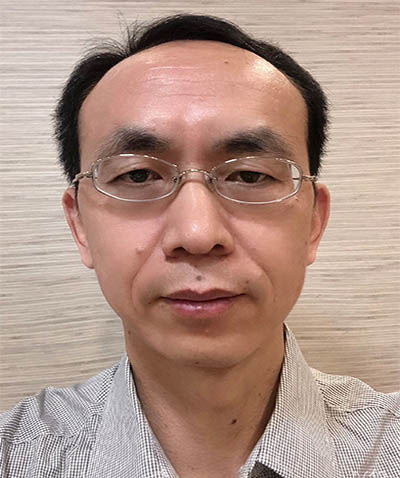
Tong Ming Liu Ph.D.
Institute of Molecular and Cell Biology, A*STAR, Singapore
Articles In Press
Current Issue
Archive
Presentations
Indexing